The New Vintage
How to make a room feel collected, not decorated

The most convincing rooms tend to feel as though they have grown over time. A piece of coloured glass might sit beside a newer lamp, a hand-painted candlestick might share a shelf with a contemporary frame, and an old studio bowl might end up next to something glossy and recent. The interest comes from the mix.

That is where vintage earns its place. Older pieces bring in patina, colour, craftsmanship and shapes that feel less predictable than a room assembled from one source. They give newer furniture and accessories something to work against, and that tension is often what makes a space feel personal.

The simplest way to begin is with one or two pieces that already have a strong character of their own, then build around them gradually.

Something old
A vintage object can give the room its first cue. It might suggest a colour palette, introduce a material, or simply add enough irregularity to make everything around it feel more relaxed.
From the current Smooth Decorator collection, these are the pieces I would start with:

The mottled Maltese glass has a soft, sculptural quality that works well in a room with darker timber, books and warmer fabrics.
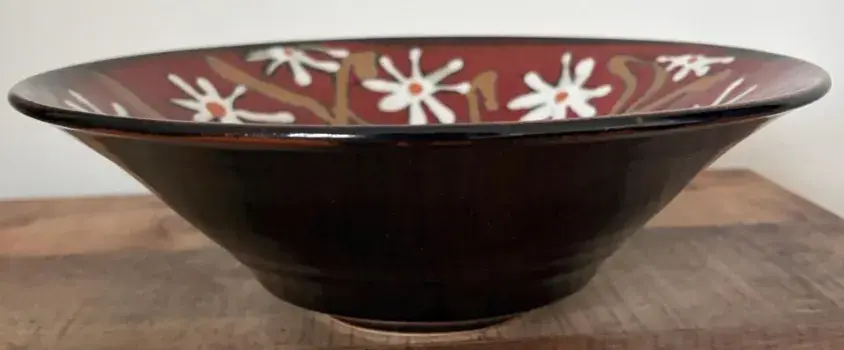
The deep oxblood glaze and signed studio provenance bring real craft and depth, while the decorative motif gives it enough presence to hold its own on a sideboard or open shelf.

The warm honey-and-cream glaze, visible throwing rings and softly irregular hand-thrown form give this jug exactly the kind of tactile character that helps a room feel collected over time. Its muted ochre, amber and celadon-grey tones make it especially easy to pair with darker wood, patterned textiles or coloured glass, while the incised maker’s mark adds another small reminder that this is a genuinely handmade piece rather than a decorative reproduction.
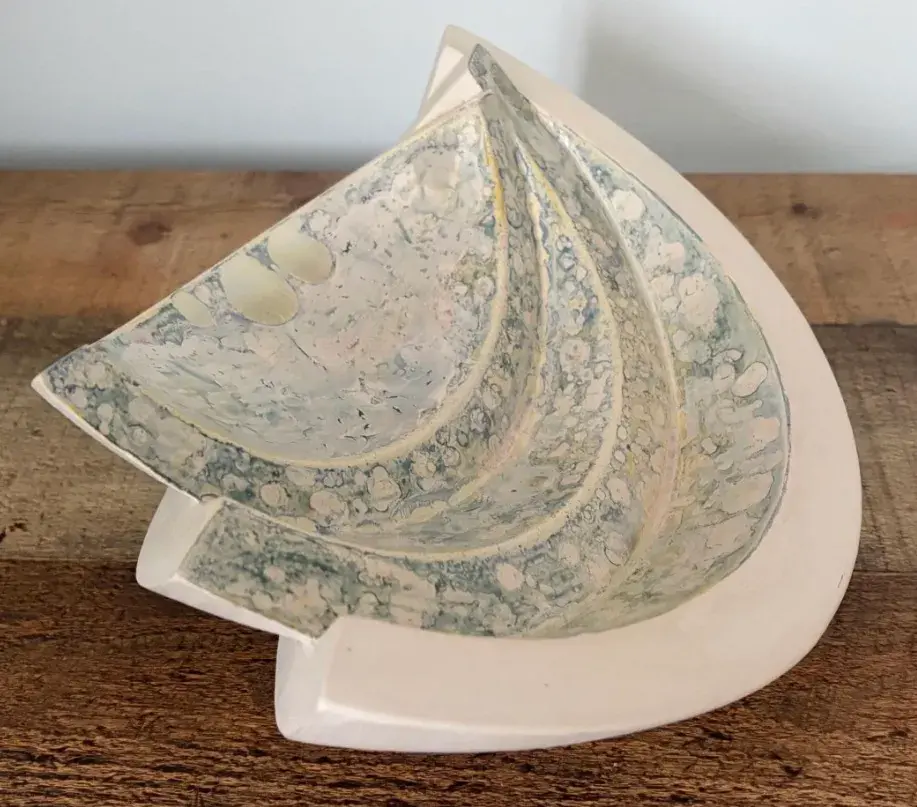
The stepped crescent form and iridescent lustre surface give this piece a strong sculptural presence, with shifting silver, blue, green and gold tones that catch the light differently from every angle. It works especially well in a collected interior because it feels closer to a small artwork than a conventional decorative object, while the handmade porcelain and signed studio provenance add the kind of craft and individuality that gives a room depth.
Something soft
Once you have a few harder surfaces in the room, textiles help bring everything together. A patterned throw is especially useful because it can pick up several colours at once and soften the contrast between old and new pieces.

The woven pattern and muted palette give it enough character to sit comfortably with coloured glass and pottery, while still working easily on a contemporary sofa or armchair.
Something warm
Lighting has a huge influence on whether a room feels settled. Table lamps create smaller pools of light and are particularly good at drawing attention to shelves, side tables and the objects placed around them.

The walnut-stained base and linen shade bring warmth and texture, while the brass detailing gives it enough interest to sit happily alongside vintage glass or pottery.
Something useful
Useful furniture is often the best place to introduce more texture and depth. A side table with a darker finish or more traditional proportions can help anchor a group of smaller decorative objects.

Its dark painted finish and traditional shape give it enough presence to work with older pieces, particularly if you are using coloured glass, pottery or brass on top.
Something personal
Photographs, postcards, small artworks and old paper pieces are what stop a room feeling generic. They introduce memory and context, and they are easy to move around as a room changes.

The softly antiqued metallic finish and decorative detailing give the Chantel frame enough character to sit comfortably among vintage objects, while still feeling refined enough for a contemporary interior. It is a good way to bring in something personal without the frame disappearing into the background.
Something slightly strange
A room usually benefits from one or two objects that are there simply because they caught your eye. These pieces tend to be the ones that make a shelf or side table feel more individual.

The sculptural form adds an unusual silhouette and a warmer metallic finish, which makes it useful for breaking up a group of more familiar objects.
Bringing it together
The strongest collected interiors usually have a few things in common. There is variation in age, material and finish, and the pieces are given enough space to keep their individual character. A hand-blown vase can sit beside a newer lamp, a small painted candlestick can share a surface with a contemporary frame, and a dark side table can hold a mix of glass, pottery and books without feeling overworked.
The useful part of this approach is that you do not need to plan the whole room in one go. Start with the pieces you already like, add things slowly, and pay attention to the relationships between colour, texture and scale. Over time, the room begins to feel more specific to you.
Affiliate disclosure: Some of the links in this post are affiliate links. If you choose to buy through them, Smooth Decorator may receive a small commission at no extra cost to you


Comments